
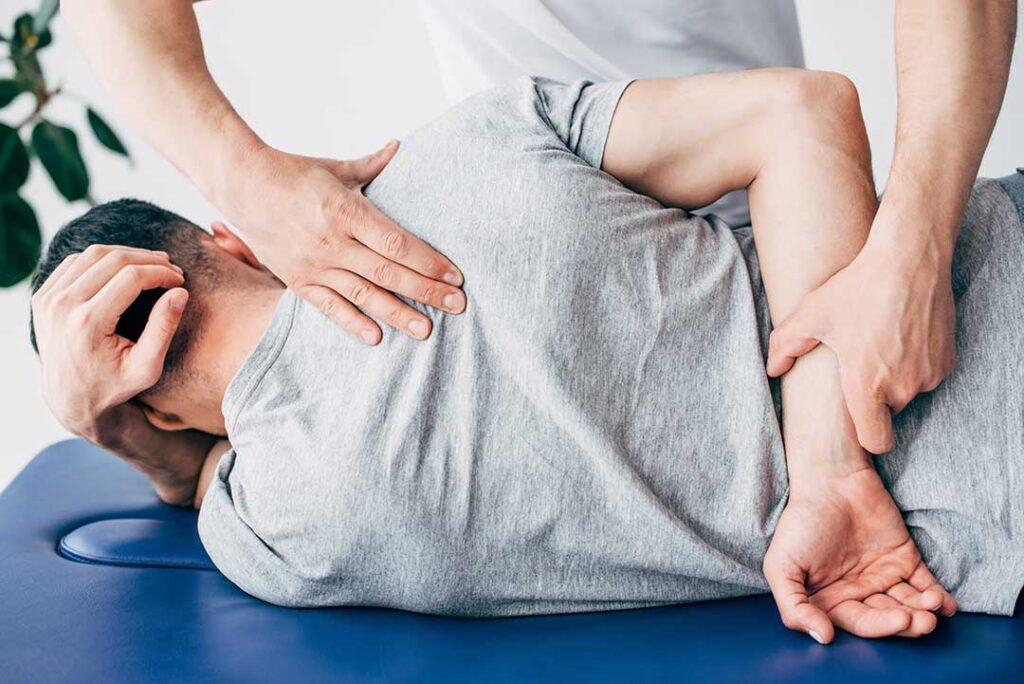
What Are Minor Back Strains and Why Are They Common in Kingston, NY?
Minor back strains refer to small injuries affecting muscles or ligaments in the back, often resulting in discomfort, stiffness, or mild swelling. Residents of Kingston, NY may experience these strains following routine activities like yard work, shoveling snow, gardening, or simple home repairs. The area’s seasonal weather changes and historic housing—many with uneven stairways or older construction—can add to the risk of such strains during daily living.
Strains develop when muscle fibers are overstretched or torn, typically from sudden, awkward movements or lifting something incorrectly. While more serious injuries require medical attention, most minor strains can be cared for at home with patience and simple techniques.
How Can Rest Support Recovery from a Minor Back Strain?
Resting the affected area gives the back muscles time to repair themselves. In the first day or two after a strain, it’s helpful to avoid heavy lifting, vigorous yard work, or strenuous exercise that might aggravate the problem.
- Short periods of gentle rest are useful but try not to stay in bed for long stretches, as too much rest can slow down healing and cause stiffness.
- Gentle walks around the neighborhood or the house keep circulation going and can reduce muscle tightness, especially after the initial discomfort settles.
When Is Ice or Heat More Helpful?
Both cold and warm therapies can play a role in managing back discomfort at home, but timing matters.
- Ice is best for the first 24 to 48 hours after the injury, as it reduces swelling, bruising, and pain. Place a wrapped ice pack or a bag of frozen vegetables against the sore area for about 15 to 20 minutes every couple of hours.
- Heat—such as a warm towel or heating pad—can be soothing after the first couple of days, helping to relax tight muscles and improve blood flow. Use heat for short intervals, not overnight, as prolonged exposure can cause burns or increased swelling.
Some local households use heated rice packs or old-fashioned hot water bottles, both of which remain effective for minor aches with careful use.
Are Gentle Stretches and Movements Safe?
Once the most acute pain has eased, gentle movement is usually safe and can help the back recover. Avoid any exercise that worsens the pain or feels unstable. Instead, try simple stretches that do not force the area:
- Light, slow side bends or moving the knees to the chest (while lying down) can help maintain flexibility if done carefully.
- Staying active with mild household tasks or walking gently, such as around a block in Kingston, may prevent muscles from stiffening.
Always stop stretches if pain increases suddenly or if numbness or tingling develops—these are signs the strain may be more severe than it appears.
Can Over-the-Counter Remedies Provide Relief?
Yes, many Kingston residents turn to basic over-the-counter remedies for short-term relief from discomfort:
- Non-prescription pain relievers such as acetaminophen or non-steroidal anti-inflammatory drugs (NSAIDs) can reduce pain and swelling if taken as directed on the label.
- Some people find that creams or patches containing menthol or similar ingredients offer a soothing sensation to sore spots, though evidence for lasting relief is mixed.
It's easy to overlook the importance of following dosing recommendations closely, especially for those with other medical conditions or taking additional medications.
How Do Local Factors in Kingston Influence Back Strain Management?
Seasonal changes play a role in the frequency and type of back sprains locally. During winter, shoveling snow or navigating icy sidewalks can trigger strains; using proper lifting techniques and tools suited to local conditions helps reduce occurrence. In the spring and fall, gardening or leaf clean-up can put similar stress on back muscles, especially when bending repeatedly or handling large yard bags.

Older homes, common in Kingston, may require residents to manage stairs, carry laundry, or move furniture more frequently. Taking extra care in these spaces—using good posture and breaking tasks into smaller steps—may help reduce ongoing back irritation.
What Are Signs a Back Strain Needs More Than Home Care?
Most minor strains heal gradually, but there are a few warning signs that go beyond normal healing and may signal a more serious problem:
- Persistent or intense pain that lasts more than a week or steadily worsens
- Pain radiating into the legs or accompanied by numbness, tingling, or weakness
- Difficulty controlling bladder or bowel function
Such symptoms could indicate a more serious injury or underlying issue not suitable for home management. Waiting too long can delay appropriate care.
Are There Common Misconceptions About Home Care for Back Strains?
It’s a common myth that complete bed rest is the best solution. In reality, staying active within pain limits encourages healing. Another misconception is that applying heat right away speeds up recovery, but cold compresses are more helpful during the initial phase.
Many overlook the simplicity of regular movement—light chores, stretching, walking—even as soreness eases. This gradual return to activity helps prevent future strains, especially in Kingston’s climate with its cycles of indoor and outdoor labor.
How Can Residents of Kingston Reduce Risk of Future Strains?
Simple habits can limit future discomfort:
- Lift with your legs, not your back, particularly when moving boxes or shoveling snow.
- Warm up gently before starting chores that require bending, reaching, or twisting.
- Break long tasks into smaller steps—take breaks between inside and outdoor projects, especially when weather is humid or cold.
- Keep walkways and home stairs clear of clutter to reduce falls or sudden twists.
Staying active year-round, whether through local walking paths or community activities, helps keep back muscles flexible and resilient, making everyday tasks safer and more comfortable.
